Where to Buy Bulk Seeds for Cannabis Cultivation: A Grower's Guide
Why Buying in Bulk Makes Sense for Serious Growers
After a decade of managing propagation for a mid-size farm in Oregon, I've learned that the difference between a good season and a great one often comes down to how you source your starting material. When you buy bulk seeds, you're not just saving money per unit - you're securing genetic consistency across your entire crop. That matters when you're planning a greenhouse run of five hundred plants or an outdoor cultivation spread across several acres.
I remember my first year scaling up from a small indoor growing setup to a proper wholesale operation. I ordered individual packets from a dozen different seed banks, thinking variety was the priority. Instead I ended up with staggered germination times, uneven growth rates, and a headache trying to track which batch came from where. The following season I decided to buy bulk seeds from a single reputable source, and the uniformity transformed my workflow. That's the kind of practical shift that makes bulk buying a no-brainer for anyone serious about production.
Understanding the Genetics: Sativa, Indica, and Hybrids
When you buy bulk seeds, you need to know exactly what you're getting. Cannabis sativa strains tend to grow tall and lanky, with longer flowering periods - ideal for outdoor cultivation in places like California or Morocco where you have space and sun. Cannabis indica varieties stay shorter and bushier, finishing faster, which suits indoor growing and controlled environments like greenhouses in the Netherlands or British Columbia.
Most commercial growers work with hybrids that blend traits from both. But the real decision comes down to your environment and market. If you're selling to dispensaries that want a consistent indica-dominant product for evening use, you don't want to accidentally plant a sativa-heavy batch. Buying in bulk from a seed bank that clearly labels lineage and expected phenotypes saves you that guesswork. I've seen too many growers waste a season because they trusted a vague description instead of verified genetics.
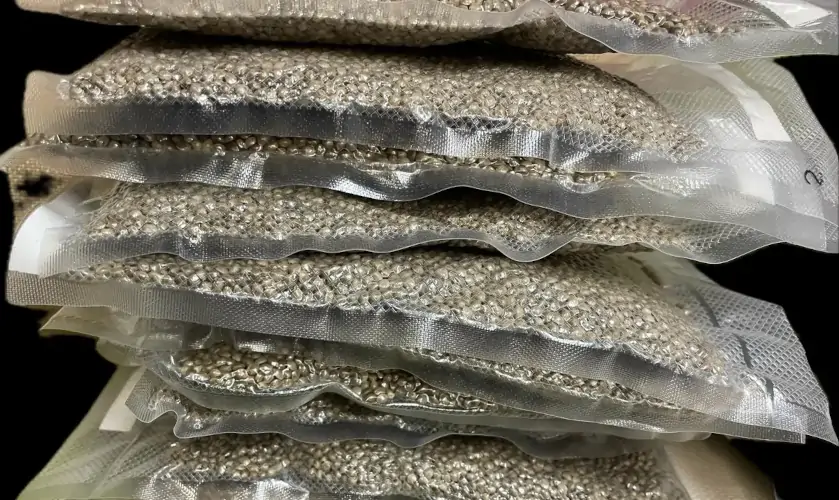
Germination Rate: The Single Most Important Metric
A seed bank might offer the most exotic strains on paper, but if their germination rate is below 90%, you're paying for empty pots. When you buy bulk seeds, ask for germination test results from the current lot. Reputable wholesalers in Spain and the Netherlands regularly test and publish these numbers. I always request a small sample batch - fifty seeds - and run my own germination test before committing to a large order. It takes ten days and saves months of disappointment.
Hemp seeds are a different category entirely. They're grown for fiber and CBD extraction, not for flower production. But the same principle applies: whether you're sourcing hemp seeds or cannabis seeds, the germination rate determines your plant count and ultimately your yield. Don't skip this step.
Propagation Methods: Seeds vs. Clone Cuttings
Some growers swear by clone cuttings for consistency. Take a single mother plant, clone her for years, and every plant is genetically identical. That works if you have a proven mother and a sterile environment. But clones carry the risk of systemic pests and diseases. I've lost entire trays to powdery mildew that traveled from an infected cutting. Seeds, especially when you buy bulk seeds from a clean facility, start disease-free.
On the other hand, seeds introduce genetic variation. Even from the same batch, you'll see slight differences in height, branching, and potency. That's not always a bad thing. Some growers select the best individuals from a seed batch and then take clone cuttings from those winners. It's a hybrid approach that combines the vigor of seed-grown plants with the uniformity of clones. For a seedling starter operation, seeds are the most practical starting point.
Growing Environments: Matching Seeds to Your Setup
Your choice of seeds should match your growing method. Hydroponics demands fast-rooting, vigorous plants that can handle high nutrient levels. Aeroponics is even more demanding - the roots are suspended in air and misted with nutrient solution, so you need seeds with proven tolerance to that environment. I've run both systems, and I can tell you that not every strain thrives in aeroponics. Some prefer the buffer of soil or coco coir.
Outdoor cultivation in Oregon or British Columbia means dealing with rain, wind, and temperature swings. You want seeds bred for mold resistance and structural strength. Indoor growing gives you total control over light cycles and climate, so you can push plants harder but need strains that respond well to intense light and tight spacing. Organic farming adds another layer: the seeds should perform without synthetic nutrients, relying on soil biology and compost teas.
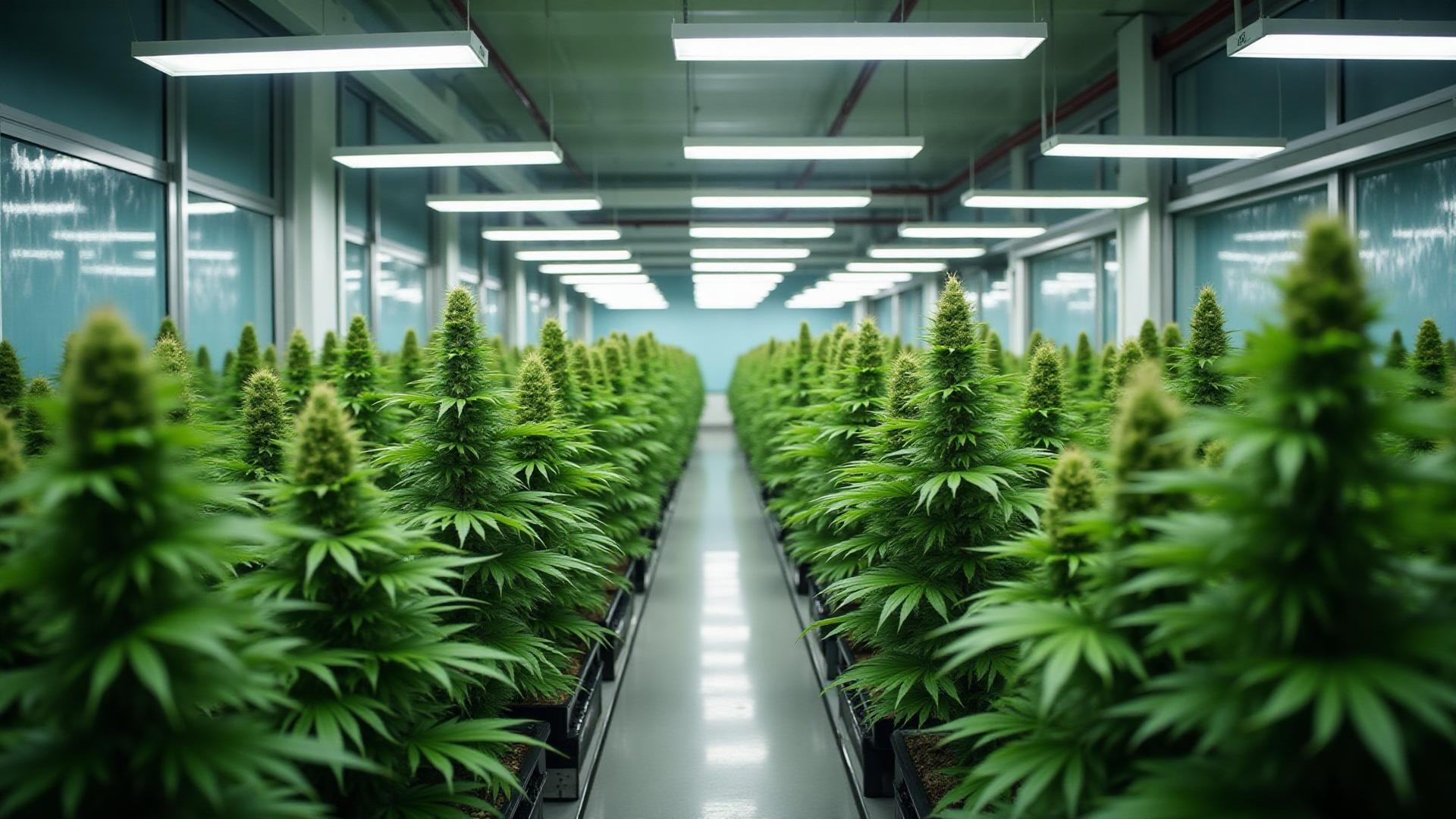
Greenhouse growing splits the difference. You get natural light with environmental control. Many European growers in the Netherlands and Spain use greenhouses to extend the season and protect against pests. When you buy bulk seeds for greenhouse use, look for strains with strong stems and good airflow through the canopy - traits that reduce the risk of botrytis in humid conditions.
Why Geography Matters in Seed Sourcing
The region where seeds are bred influences how they perform. Seeds from Spain are often selected for hot, dry summers and resistance to spider mites. Seeds from the Netherlands are bred for shorter, cooler summers and high humidity tolerance. California breeders focus on potency and flavor, while Oregon and British Columbia producers emphasize disease resistance and cold tolerance. Moroccan genetics, landrace strains, offer incredible drought tolerance but lower yields. Understanding these regional differences helps you choose the right genetics for your specific climate and goals.
Practical Tips for Buying Bulk Seeds
- Always request a germination test certificate from the seed bank. If they can't provide one, move on.
- Start with a small trial order - 100 to 200 seeds - before committing to thousands. Run them in your actual growing conditions.
- Store bulk seeds properly: cool, dark, dry. A refrigerator at 4-6 degrees Celsius in an airtight container with desiccant works well.
- Check the seed bank's reputation through grower forums and social media groups. Real reviews from other growers are more reliable than marketing copy.
- Understand the legal status of cannabis seeds in your country. Even where cultivation is restricted, seed sales may be legal. Know your local laws before ordering.
The Economics of Bulk Purchasing
When you buy bulk seeds, the per-seed cost drops dramatically. A single seed from a retail packet might cost five to ten dollars. In bulk, that same seed can cost one dollar or less, depending on the strain and volume. For a grower running a thousand plants per cycle, that saving alone covers the cost of nutrients and electricity for the entire run.
But the real economy comes from consistency. If every plant in your greenhouse finishes within the same week, you harvest efficiently and your product hits the market at the same quality level. If your seeds are uneven, you're making multiple passes through the grow room, wasting labor and risking over-ripening or under-development. That's the hidden cost of buying cheap, untested genetics.
I've also found that wholesale cannabis seed suppliers often offer better customer support. They know that a large order gone wrong means a lost customer forever, so they're more willing to answer questions about germination protocols, storage, and strain selection. That relationship is valuable when you're scaling up.

Final Thoughts from the Grow Room
Every grower's journey is different, but the fundamentals remain the same. Start with quality genetics, understand your environment, and plan your propagation method before you plant a single seed. Whether you choose hydroponics, organic farming, or outdoor cultivation, the seeds you choose set the ceiling for your entire harvest. When you buy bulk seeds, you're investing in that ceiling.
The best advice I can give is to treat your seed sourcing as seriously as you treat your nutrients, lighting, and pest management. A bad batch of seeds can undo months of careful work. A good batch, from a trusted seed bank, gives you a foundation you can build on season after season. And if you're growing at scale, the bulk route isn't just economical - it's the only practical way to maintain consistency across thousands of plants.